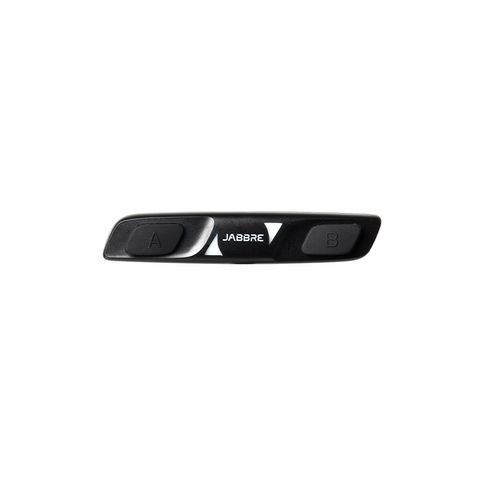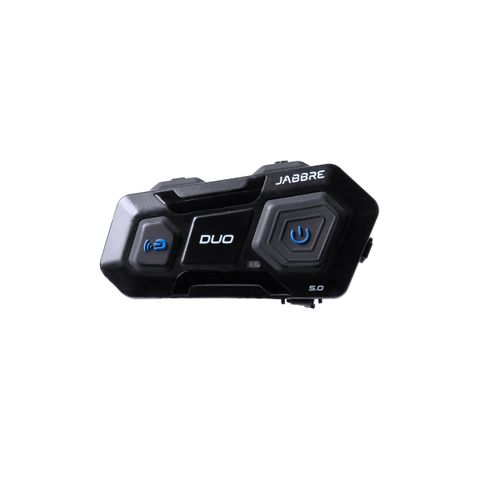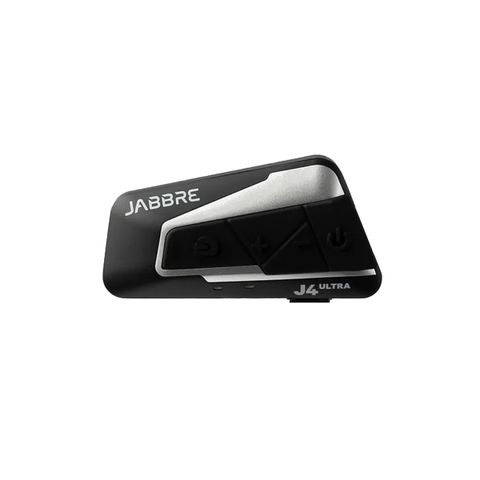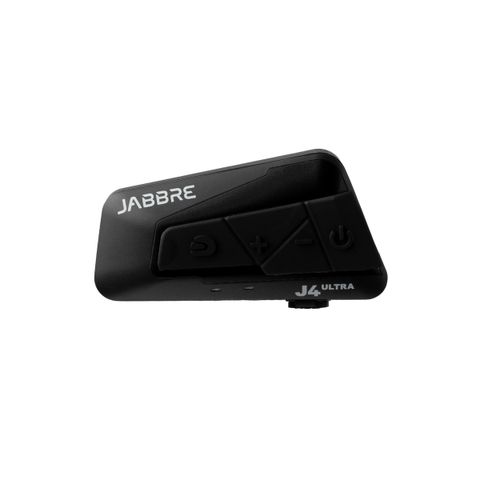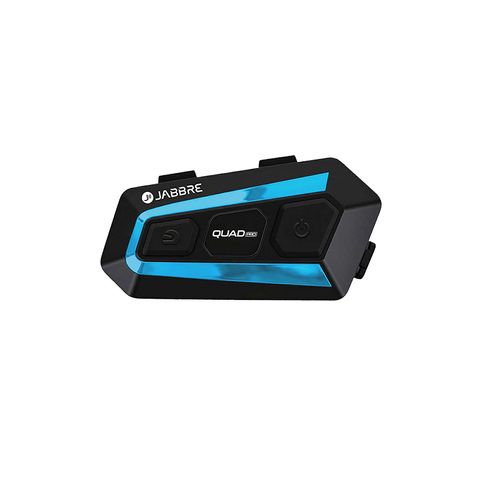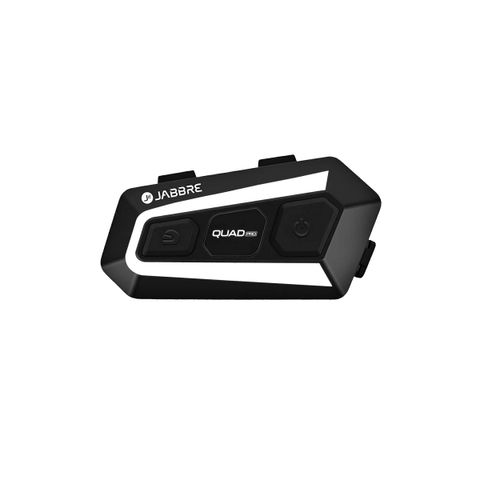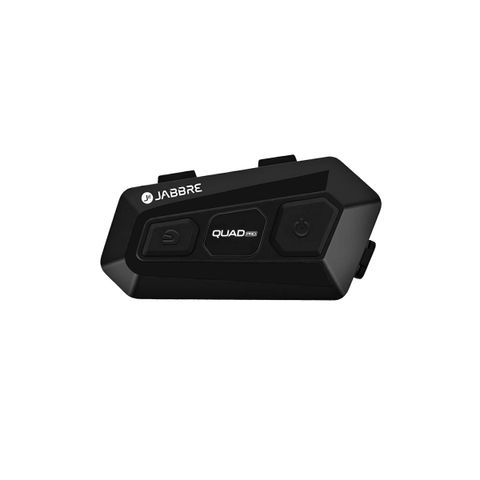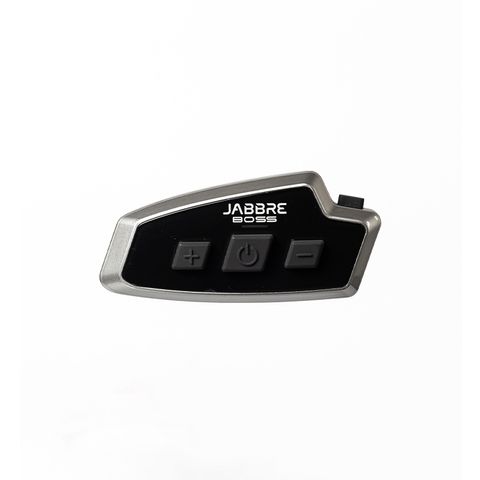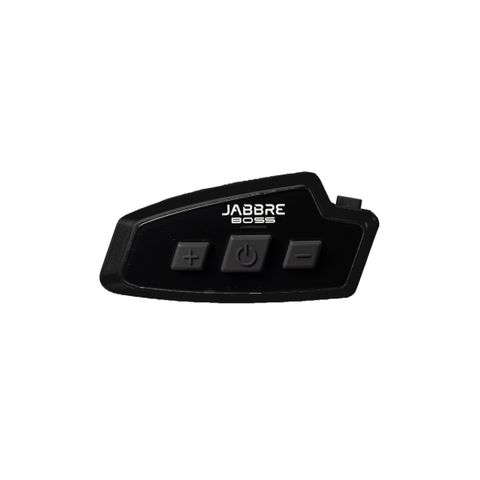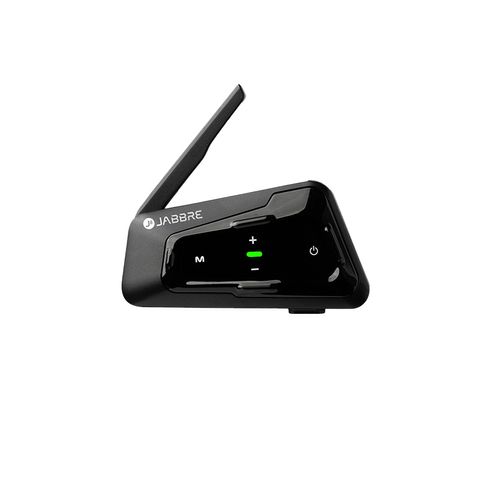

Rain is part of riding in the Philippines. And even a waterproof motorcycle intercom can sometimes develop moisture inside.
That may sound strange. If it's waterproof, how can water get in?
The answer is often condensation.
When a warm, humid intercom is exposed to cooler air or rain, moisture in the air trapped inside the device can condense into tiny water droplets. This can happen even when there is no obvious leak.
Waterproof Doesn't Mean Condensation-Proof
Waterproofing protects an intercom against external water entering through its seals, buttons and openings.
But condensation is different.
Imagine taking a cold bottle out of the refrigerator on a humid day. Water suddenly appears on the outside of the bottle. The water didn't come through the bottle—it came from moisture in the air turning into droplets.
A similar process can happen inside an electronic device when temperature changes rapidly.
That is why riders should think about moisture management, not just waterproof ratings.
How to Keep Your Intercom Dry
1. Don't immediately seal a wet intercom inside a bag
After riding through heavy rain, give the intercom a chance to dry.
Wipe the exterior first, then place it somewhere dry, cool and well ventilated.
2. Remove it from the helmet after a wet ride
If your helmet is wet inside, don't leave the intercom attached and enclosed in the helmet for hours.
Remove the unit and allow both the helmet and intercom to dry separately.
3. Avoid sudden temperature changes
Moving a cold intercom into a hot, humid environment—or taking a warm device into cold rain—can encourage condensation.
Where practical, let the device adjust gradually to the surrounding temperature.
4. Use silica gel for storage
For riders who regularly ride during the rainy season, keeping the intercom in a dry storage container with silica-gel desiccant packs can help control humidity.
The silica gel should be dry and replaced or regenerated according to its instructions.
Don't put loose rice inside or around the device. Rice isn't a reliable substitute for proper desiccant and can introduce dust or particles.
5. Check the seals and charging port
Before riding in heavy rain, make sure covers, rubber plugs and seals are properly closed.
Also check that there is no dirt, sand or debris preventing a seal from closing properly.
What If You Already See Moisture Inside?
This is the most important part:
Don't immediately turn it on.
If you suspect water has entered the intercom:
1. Turn it off.
2. Disconnect the charger.
3. Don't press buttons unnecessarily.
4. Remove it from the helmet.
5. Wipe the outside thoroughly.
6. Allow it to dry in a dry, well-ventilated place.
If possible, place it in a sealed container with fresh silica-gel desiccant.
Give it sufficient time to dry completely before attempting to power it up again.
Don't use a hair dryer.
High heat can potentially damage plastics, seals, batteries and electronic components.
Don't put the device in an oven or expose it to direct intense sunlight either.
And don't assume that because the outside looks dry, the inside is dry.
Moisture trapped inside can take considerably longer to evaporate.
When Should You Get It Checked?
If the intercom has been exposed to significant water, shows visible condensation, behaves strangely, won't charge, or continues to malfunction after drying, stop using it and contact the manufacturer or authorized service center.
For a device containing a lithium battery, unusual swelling, excessive heat, smoke, hissing or a strong chemical smell is a reason to stop handling/charging it and seek professional assistance.
The Bottom Line
A waterproof rating is important—but waterproof doesn't mean condensation-proof.
During the rainy season, a little prevention can go a long way:
Keep it sealed. Keep it dry. Avoid sudden temperature changes. Dry it properly after wet rides.
And if moisture does get inside, don't rush to turn it back on.
Give it time to dry—or have it professionally checked.
For Jabbre riders, the goal isn't simply to make an intercom that survives the rain.
It's to help riders understand how to take care of their equipment so it can keep delivering the ride experience they bought it for.