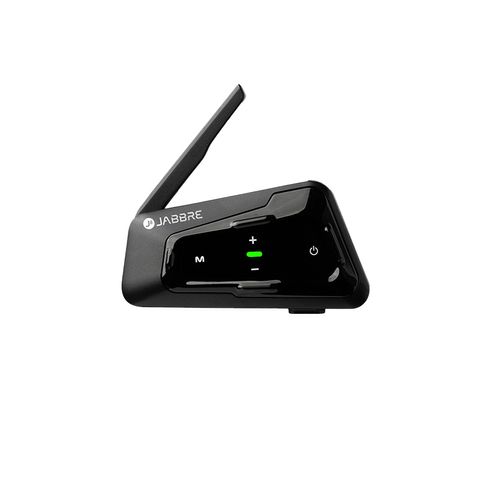
When riders compare motorcycle intercoms, they usually look at the obvious specifications—Bluetooth version, Mesh capability, battery life, communication range, or waterproof rating. While these features are important, there is another technology working behind the scenes that determines how well an intercom actually performs:
Radio Frequency (RF).
Every Bluetooth and Mesh motorcycle intercom relies on radio frequency to send and receive voice, music, and data between riders. Understanding how RF works can help you make a smarter buying decision and explain why two intercoms with similar specifications can deliver very different riding experiences.
What is Radio Frequency?
Radio Frequency (RF) refers to electromagnetic waves used to transmit information wirelessly. Instead of using cables, motorcycle intercoms send digital information through the air using radio waves.
When you speak through your microphone, your voice is converted into digital data. That data is transmitted as radio signals to another rider's intercom, where it is converted back into sound.
This entire process happens in milliseconds.
Without RF technology, Bluetooth and Mesh intercoms simply would not exist.
What Frequency Do Motorcycle Intercoms Use?
Almost all Bluetooth and Mesh motorcycle intercoms operate in the 2.4 GHz Industrial, Scientific and Medical (ISM) band.
This frequency band is used worldwide because it is license-free in many countries and supports low-power wireless communication.
Many other devices also use the same 2.4 GHz frequency, including:
- Bluetooth headphones
- Wireless keyboards and mice
- Smart watches
- Wi-Fi routers (2.4 GHz)
- Game controllers
- Smart home devices
This means your motorcycle intercom shares the airwaves with many everyday wireless products.
Why 2.4 GHz?
The 2.4 GHz band offers a practical balance between communication range, power consumption, antenna size, and data transmission speed.
Higher frequencies can carry more data but generally have shorter range and are more easily blocked by obstacles. Lower frequencies travel farther but usually require larger antennas and support lower data rates.
For motorcycle communication, 2.4 GHz provides a good compromise between performance and practicality.
Bluetooth and Mesh Use the Same Frequency
One of the biggest misconceptions is that Mesh operates on a different radio frequency than Bluetooth.
It doesn't.
Both technologies commonly use the same 2.4 GHz spectrum.
The difference lies in how they manage communication.
Bluetooth creates direct connections between paired devices, making it ideal for solo riders, couples, and small groups.
Mesh uses a networking approach that allows multiple devices to communicate more flexibly, making it easier to maintain communication in larger riding groups.
Although they share the same radio frequency, their communication methods are different.
Can Other Devices Cause Interference?
Yes.
Since many electronic devices use the 2.4 GHz band, interference can sometimes occur.
Possible sources include:
- Wi-Fi routers
- Bluetooth speakers
- Wireless cameras
- Smart home devices
- High-density urban wireless traffic
Fortunately, modern Bluetooth technology uses techniques such as frequency hopping, rapidly switching among many channels within the 2.4 GHz band to reduce the likelihood of persistent interference. This is one reason Bluetooth remains reliable even in environments with many wireless devices.
Does Higher Power Mean Better Range?
Not always.
Communication range depends on several factors:
- Radio output power (within legal limits)
- Receiver sensitivity
- Antenna design
- Firmware optimization
- Environmental conditions
- Obstacles such as buildings, hills, trees, and trucks
An intercom with a well-designed radio system may outperform another product that advertises similar range specifications.
Real-world performance matters more than theoretical maximum distance.
Why Signal Quality Matters
A strong radio link provides:
- Clearer conversations
- Fewer audio dropouts
- More stable music streaming
- Better connection reliability
- Faster reconnection after temporary signal loss
Weak signal quality can result in:
- Choppy audio
- Static-like interruptions
- Delayed communication
- Unexpected disconnections
Good RF engineering minimizes these problems.
What Should Riders Look For?
When buying a motorcycle intercom, don't focus only on Bluetooth version numbers or advertised range.
Also consider:
- RF design and antenna quality
- Stable wireless performance
- Reliable chipset
- Audio quality
- Firmware optimization
- Product certifications (such as NTC approval for the Philippine market)
- Warranty and after-sales support
These factors contribute significantly to the real-world riding experience.
How Jabbre Approaches Wireless Communication
At Jabbre, we understand that riders depend on their intercoms in changing road conditions, from city traffic to open highways.
That's why Jabbre products are designed with attention to wireless performance, audio quality, and reliability—not just impressive specifications on paper.
Whether you're talking to your riding group, listening to music, or following GPS navigation, the goal is simple: provide stable communication and an enjoyable riding experience.
Because great motorcycle communication starts with something riders rarely see—but experience every time they ride:
https://youtu.be/zsw22nBC08A?si=a4vnljfwh_fb-E4A
A reliable radio frequency connection.
Jabbre. Sound That Moves You.